Blog
What is a Virtual Terminal?
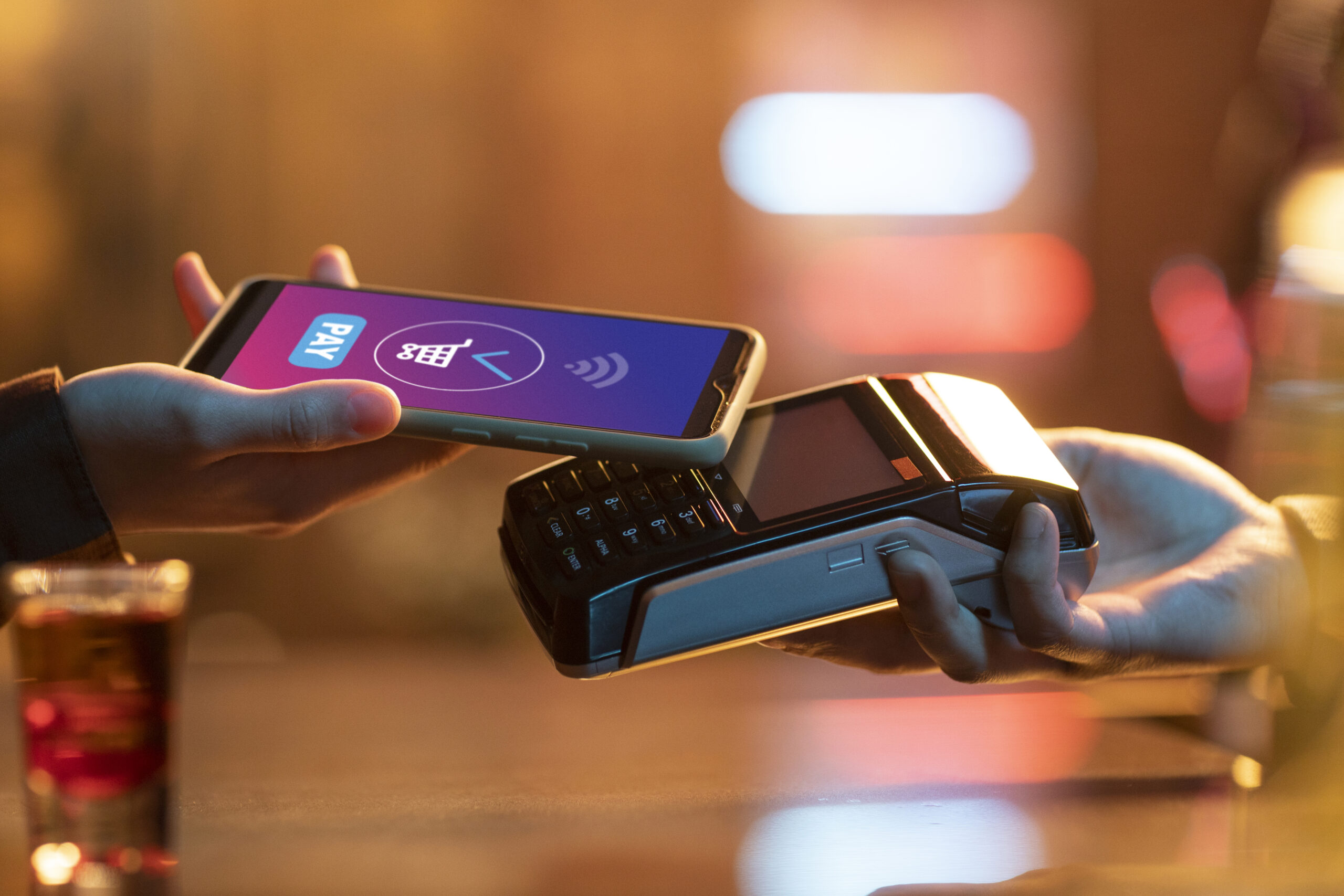
A virtual payment terminal is an online platform that allows businesses to accept card payments without the need for a physical card payment terminal. Unlike traditional point-of-sale (POS) systems, a virtual terminal is web-based, meaning transactions can be processed from a computer, tablet, or even a smartphone.
How a Virtual Terminal Works
Virtual terminals operate similarly to standard card transactions but with a few differences. Because it relies on internet connectivity rather than physical hardware, businesses can accept payments from anywhere, making them extremely versatile.
-
Login Access – Merchants access the terminal via a secure web portal.
-
Enter Card Information – The customer’s card details are manually entered.
-
Process Payment – The payment is authorized through the payment processor.
-
Confirmation – The merchant receives confirmation, and funds are transferred to their account.
Benefits of Using a Virtual Terminal
1. Flexibility
With a web-based virtual solution, businesses can accept payments anywhere. This mobility eliminates the constraints of traditional payment setups.
2. Cost-Effective
Virtual terminals reduce the need for expensive POS hardware and maintenance. Since transactions are processed online, businesses can save on upfront costs and avoid investing in multiple physical terminals.
3. Secure Transactions
Leading virtual terminals comply with PCI DSS (Payment Card Industry Data Security Standard), ensuring that they are encrypted and secure. Businesses can protect sensitive customer data while minimizing fraud risks.
4. Simplify Operations
Many virtual terminals integrate seamlessly with accounting software and CRM platforms. This allows automatic transaction logging, reducing manual entry and simplifying bookkeeping.
5. Different Payment Methods
Virtual terminals aren’t limited to credit cards. Many platforms support debit cards, mobile wallets, and contactless payments, giving customers more options and improving the checkout experience.
Who Can Benefit from Virtual Terminals?
-
E-commerce Stores – Accept payments securely online without physical terminals.
-
Service Providers – Freelancers, consultants, and contractors can invoice clients and receive card payments remotely.
-
Non-profits – Easily process donations over the phone or online.
-
Hospitality and Delivery – Hotels, restaurants, and delivery services can accept payments on the go using portable payment terminals.
Conclusion
Virtual terminal is an essential tool for modern businesses that need flexible, secure, and efficient ways to accept payments in the UK. From card payment terminals to portable payment terminals, the range of options ensures that every business can find a solution that fits their needs.
FAQS
1. What is a virtual terminal?
A virtual terminal is a web-based payment system that allows businesses to process card payments without using a physical card reader. Instead of swiping or tapping a card, the merchant manually enters the customer’s payment details into a secure online portal.
2. Are virtual terminal transactions covered by seller protection?
Coverage depends on the payment provider. In many cases, virtual terminal transactions are considered “card-not-present” payments, which means they typically carry a higher fraud risk and may not qualify for full seller protection. However, some providers offer partial or conditional protection if the merchant follows specific security steps.
3. How does a virtual terminal differ from a traditional POS system?
A virtual terminal is entirely web-based, allowing payments to be processed from a computer, tablet, or smartphone, whereas a traditional POS system requires physical hardware like card readers or cash registers. Virtual terminals are ideal for remote payments, while POS systems are best for in-person transactions.
4. Can I use a virtual terminal for recurring payments?
Yes. Many virtual terminals support recurring or subscription-based payments. This feature allows businesses to automatically bill customers on a scheduled basis, which is especially useful for service providers, membership programs, or online subscriptions.
5. Is using a virtual terminal secure?
Yes. Leading virtual terminals comply with PCI DSS standards and use encryption to protect cardholder data. While virtual terminals are secure, businesses should also follow best practices, such as avoiding public Wi-Fi and verifying customer information, to minimize fraud risk.
6. What types of payments can I accept with a virtual terminal?
Virtual terminals usually support credit cards, debit cards, mobile wallets, and contactless payments. This flexibility allows customers to pay using their preferred method and enhances the overall checkout experience.
7. Do virtual terminal transactions have fees?
Yes. Fees vary depending on the payment processor but usually include a per-transaction fee and/or a small percentage of the transaction amount. These fees are often lower than the cost of installing and maintaining traditional POS hardware, making virtual terminals a cost-effective solution for many businesses.
Categories
- Coronavirus (4)
- Event Technology (8)
- Events (3)
- iPads (2)
- Laptop (2)
- Partership (1)
- Phone (1)
- Printer (1)
- Screen (1)
- Tablets (2)
- Uncategorized (30)
- VR & AR (1)
Recent Posts

How Many Laptops Do You Need for a Hackathon?

How Many Samsung Tablets Do You Need for a Trade Show Booth?